

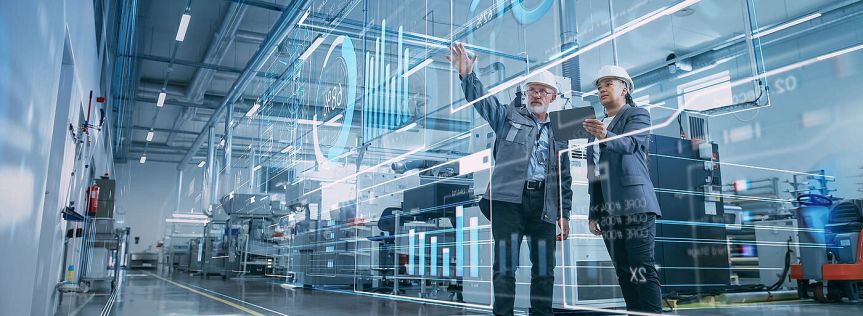
Introduction: The Indispensable Role of Industry in Human Progress
Industries are more than centers of production—they are the dynamic arteries of global civilization. From powering economies and shaping urban landscapes to providing livelihoods and driving innovation, industries represent the structural framework of modern life. Whether it’s the oil refineries of the Middle East, the textile mills of South Asia, or the tech hubs of Silicon Valley, each industrial form reflects a unique intersection of history, resources, labor, and ambition. In today’s rapidly evolving world, understanding the structure, function, and future of industries is critical to navigating and influencing the course of global development.
The Genesis and Evolution of Industrial Systems
The origins of industry lie in humanity’s earliest efforts to transform raw materials into usable goods. However, the concept as we know it today took definitive shape during the Industrial Revolution, beginning in the late 18th century. Inventions like the steam engine, mechanical loom, and blast furnace mechanized labor and dramatically increased production capacity.
This shift from agrarian economies to manufacturing-led growth sparked urbanization, trade expansion, and socioeconomic transformation. Over the 19th and 20th centuries, new waves of industrialization, driven by electricity, assembly lines, and later, computers, continued to evolve the industrial landscape.
Today, the Fourth Industrial Revolution—or Industry 4.0—is characterized by automation, artificial intelligence, and digital integration. Industries are no longer confined to physical goods; they now encompass data, services, and experiences, reflecting the complexity of contemporary demand and capabilities.
Understanding Industry Classifications: The Four-Sector Model
Industries are typically classified into four main sectors, each playing a distinct role in the economy and society.
1. Primary Sector: Extracting from Nature
This sector involves the direct use of natural resources. It is foundational for other sectors and prevalent in developing economies.
-
Agriculture: Cultivation of food and commercial crops
-
Mining: Extraction of minerals and fossil fuels
-
Fishing: Harvesting aquatic resources for food and trade
-
Forestry: Management and exploitation of forest products
While often resource-intensive, this sector is vital for food security and raw material supply.
2. Secondary Sector: Manufacturing and Construction
Here, raw materials are transformed into finished goods. This sector propelled the rise of industrial societies in the 19th and 20th centuries.
-
Manufacturing: Production of goods ranging from consumer electronics to heavy machinery
-
Construction: Building infrastructure, housing, and commercial properties
This sector is often considered the economic core, driving exports, employment, and technological innovation.
3. Tertiary Sector: The Service Economy
This sector includes services rather than goods, and has grown rapidly in post-industrial economies.
-
Retail: Sale of goods and services directly to consumers
-
Finance and Insurance: Management of money and risk
-
Health and Education: Delivery of essential public and private services
-
Tourism and Hospitality: Services aimed at leisure, travel, and recreation
The tertiary sector is essential for quality of life and often reflects a country’s standard of living.
4. Quaternary Sector: Knowledge and Innovation
This modern sector involves intellectual activities and advanced technological development.
-
Research and Development (R&D): Innovation across scientific and commercial fields
-
Information Technology: Creation and management of software and digital services
-
Strategic Consulting: High-level problem-solving for organizations
This sector thrives in economies where education, infrastructure, and investment converge to foster innovation.
Industry 4.0: Redefining Modern Production and Services
The latest industrial evolution is digital at its core. Industry 4.0 is a seamless integration of cyber-physical systems, enabling unprecedented levels of efficiency, customization, and intelligence.
Key components include:
-
Automation and Robotics: Machines now handle repetitive, high-precision tasks, increasing productivity and reducing labor costs
-
Internet of Things (IoT): Devices communicate and collect data to streamline operations and predict maintenance needs
-
Big Data Analytics: Vast data sets inform decision-making and optimize supply chains
-
Artificial Intelligence (AI): Algorithms enhance quality control, customer experience, and innovation
These technologies are blurring the lines between manufacturing, services, and software, creating new industrial hybrids and economic models.
Globalization and the Changing Geography of Industry
Globalization has reshaped the industrial map. With supply chains now spanning continents, industries are no longer bound by geography.
Advantages of globalized industries:
-
Cost Efficiency: Outsourcing to regions with lower production costs
-
Market Expansion: Products and services are accessible worldwide
-
Collaborative Innovation: Shared research across borders
However, this interdependence also introduces risks: -
Supply Chain Disruption: Political instability, pandemics, and logistics failures can cause widespread delays
-
Job Displacement: Domestic employment can decline in high-cost countries
-
Environmental Concerns: Outsourcing may lead to lower environmental standards in some regions
As a response, many governments are now advocating for reshoring or near-shoring strategies that bring production closer to home.
Sustainability and the Industrial Responsibility
In the wake of climate change and ecological degradation, industries are under immense pressure to balance growth with responsibility. Sustainable industrial practices are no longer optional; they are central to long-term viability.
Key sustainable approaches include:
-
Green Manufacturing: Using energy-efficient processes and eco-friendly materials
-
Circular Economy Models: Encouraging reuse, recycling, and minimal waste
-
Carbon Footprint Reduction: Investing in renewable energy and emissions offsetting
-
Compliance with ESG Standards: Adhering to Environmental, Social, and Governance benchmarks to attract ethical investors
Sustainability is also a competitive advantage. Consumers and partners increasingly favor companies that align with environmental and ethical standards.
The Human Side of Industry: Employment and Skills
Industries are key providers of employment, but the nature of work is changing. Automation is reducing demand for repetitive manual labor, but increasing the need for skilled workers.
Emerging workforce trends:
-
Reskilling and Upskilling: Continuous learning programs to keep pace with technology
-
Digital Fluency: Competence in using digital tools across roles and levels
-
Hybrid Work Models: Combining on-site and remote work in industrial settings
-
Focus on Soft Skills: Communication, adaptability, and problem-solving are highly valued alongside technical expertise
Industries must invest in education partnerships and training programs to ensure a future-ready workforce.
Future Horizons: Where Are Industries Headed?
Industries of the future will be shaped by convergence—of technology, ideas, and values. The next decade is likely to see:
-
Expansion of Smart Manufacturing: Even greater integration of AI, IoT, and cloud computing
-
Biotechnology Breakthroughs: Transforming health, agriculture, and material science
-
Space Industry Growth: Launch services, satellite networks, and space tourism becoming viable markets
-
Decentralized Production: 3D printing and local micro-factories reducing reliance on massive global supply chains
Success in this era will require vision, agility, and a deep commitment to innovation and responsibility.
Conclusion: Building the Future with Industrial Wisdom
Industries are not static institutions—they are living systems that adapt, evolve, and lead. From steel mills to silicon chips, from supply chains to codebases, the industrial world forms the backbone of civilization’s progress. As the challenges of sustainability, digitization, and globalization intersect, industries must strive to be not only productive but also ethical, resilient, and inclusive. In doing so, they will not only secure economic prosperity but will also inspire a new era of intelligent and responsible growth, shaping a future in which people and the planet thrive together.
 Ledgr Business