

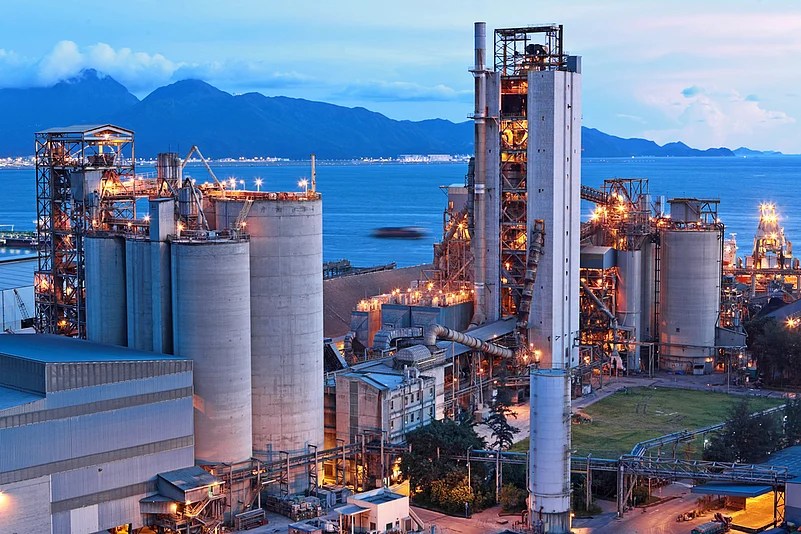
Introduction: The Unseen Architects of Civilization
Industries, though often operating behind the scenes, are the foundational structures that fuel economies, craft the built environment, and provide the essentials of modern living. From manufacturing and mining to healthcare and information technology, every industry is a cog in the intricate machine of societal progress. Their role extends beyond economics—they influence how we live, work, interact, and even think. As we move further into a hyper-connected and technologically driven world, understanding the complexity, diversity, and evolution of industries is not merely academic; it is essential to envisioning our collective future.
A Historical Overview: From Hand Tools to Intelligent Automation
The concept of industry has evolved dramatically over centuries. In ancient civilizations, industries were simple, artisanal endeavors—blacksmiths, potters, weavers—crafting goods for local consumption. The real revolution began in the 18th century with the advent of mechanization. The Industrial Revolution transformed agriculture-based societies into manufacturing powerhouses. Steam engines, textile mills, and iron foundries birthed mass production, urban migration, and the capitalist economic model.
The 20th century introduced the second and third industrial revolutions, marked by electricity, assembly-line production, and later, computing. Today, we are immersed in Industry 4.0—a digital transformation where cyber-physical systems, artificial intelligence, and data analytics are redefining how goods are produced and services are delivered.
Core Categories of Industries: A Structural Breakdown
To grasp the breadth of industrial impact, it is useful to examine how industries are categorized within the economic framework.
1. Primary Industries
These industries deal directly with the extraction and utilization of natural resources. They serve as the bedrock for all other industrial activity.
-
Agriculture and Farming: Cultivating food and raw materials
-
Mining: Extracting minerals, metals, and fossil fuels
-
Forestry: Harvesting timber and maintaining ecological balance
-
Fishing: Supplying aquatic resources to global markets
Though traditional, these industries remain essential to food security, energy, and manufacturing.
2. Secondary Industries
This sector involves processing raw materials into finished or semi-finished goods. It is where production becomes tangible.
-
Manufacturing: Creating products ranging from automobiles to electronics
-
Construction: Building infrastructure, homes, and commercial spaces
-
Chemical and Pharmaceutical Production: Developing compounds for health, agriculture, and industry
This sector is heavily mechanized and capital-intensive, yet vital for value addition and economic strength.
3. Tertiary Industries
These service-based industries provide support, logistics, and experiences rather than physical goods.
-
Retail and E-commerce: Selling products directly to consumers
-
Healthcare and Education: Delivering essential social services
-
Finance and Real Estate: Managing capital and property transactions
-
Transportation and Logistics: Facilitating movement of goods and people
As nations develop, their reliance shifts from manufacturing to service-based economic drivers.
4. Quaternary and Quinary Industries
These represent the cutting edge of industrial development, emphasizing knowledge, leadership, and high-level innovation.
-
Quaternary Sector: Focuses on research, IT, consulting, and data services
-
Quinary Sector: Encompasses top-level decision-making in government, science, and corporate leadership
These sectors are knowledge-intensive and form the intellectual infrastructure of the future economy.
The Rise of Industry 4.0: A New Era of Intelligent Production
Industry 4.0 represents a paradigm shift where traditional manufacturing integrates with digital technologies to enhance productivity, precision, and flexibility.
Key Features Include:
-
Automation and Robotics: Performing repetitive or hazardous tasks with consistency
-
Internet of Things (IoT): Enabling machine-to-machine communication
-
Cloud Computing: Facilitating data accessibility and remote control
-
AI and Machine Learning: Enhancing predictive maintenance, quality control, and customer personalization
This revolution is making production processes smarter, supply chains leaner, and customer engagement deeper.
Globalization and the Expansion of Industrial Frontiers
Globalization has transformed industries from local operations to vast, interconnected systems. Today, a product might be conceptualized in the United States, manufactured in Vietnam, and sold across Europe.
Advantages of Globalized Industries:
-
Economies of Scale: Reduced cost through large-scale operations
-
Access to Talent and Resources: Leveraging global capabilities
-
Market Expansion: Serving diverse consumer bases
However, this interconnectedness also creates vulnerabilities, such as supply chain disruptions due to pandemics, geopolitical instability, or climate-related disasters. As a response, businesses are exploring strategies like near-shoring, localized manufacturing, and building resilient supply ecosystems.
The Imperative of Industrial Sustainability
Industrial activity, while economically vital, also has environmental consequences. From carbon emissions to resource depletion, industries are increasingly held accountable for their ecological footprint.
Sustainable Industrial Practices Include:
-
Green Manufacturing: Reducing waste and embracing renewable energy sources
-
Circular Economy Models: Promoting reuse, recycling, and waste-to-resource cycles
-
Energy Efficiency and Carbon Offsetting: Minimizing operational emissions
-
Corporate Social Responsibility (CSR): Investing in local communities and ethical labor practices
Sustainability is now a strategic priority, not just an ethical obligation. Consumers and investors alike are demanding transparency and long-term environmental stewardship.
Employment and Workforce Dynamics in the Industrial Age
Industries are significant employers, but the nature of jobs is evolving rapidly. Automation is reshaping the employment landscape, reducing demand for low-skill labor while amplifying the need for digital and analytical capabilities.
Current Workforce Trends Include:
-
Upskilling and Reskilling: Continuous education for evolving job roles
-
STEM Education Emphasis: Fostering scientific and technological literacy
-
Human-Machine Collaboration: Leveraging the strengths of both human intuition and machine efficiency
-
Remote and Hybrid Work Models: Enabled by digital infrastructure in service and knowledge sectors
The future industrial workforce will require adaptability, creativity, and cross-disciplinary knowledge.
Industries of the Future: Emerging Frontiers
The next wave of industries will push the boundaries of science, sustainability, and human capability.
Promising Sectors Include:
-
Biotechnology: Revolutionizing medicine, agriculture, and environmental conservation
-
Renewable Energy: Shaping the post-fossil-fuel economy
-
Advanced Materials and Nanotechnology: Creating lighter, stronger, and smarter products
-
Space Industry: Opening new commercial and exploratory avenues beyond Earth
Investment in research, talent, and infrastructure will determine a nation’s position in these emerging fields.
Conclusion: The Soul of Industrial Progress
Industries are more than economic constructs—they are expressions of human ambition, ingenuity, and resilience. They build the cities we inhabit, deliver the goods we consume, and provide the platforms through which ideas become reality. As the world faces complex challenges—from climate change and inequality to technological disruption and global competition—industries must evolve with purpose and vision. The future belongs to those who can harmonize productivity with sustainability, efficiency with equity, and innovation with integrity. In understanding industries, we understand ourselves—our history, our present, and the blueprint of our shared future.
 Ledgr Business